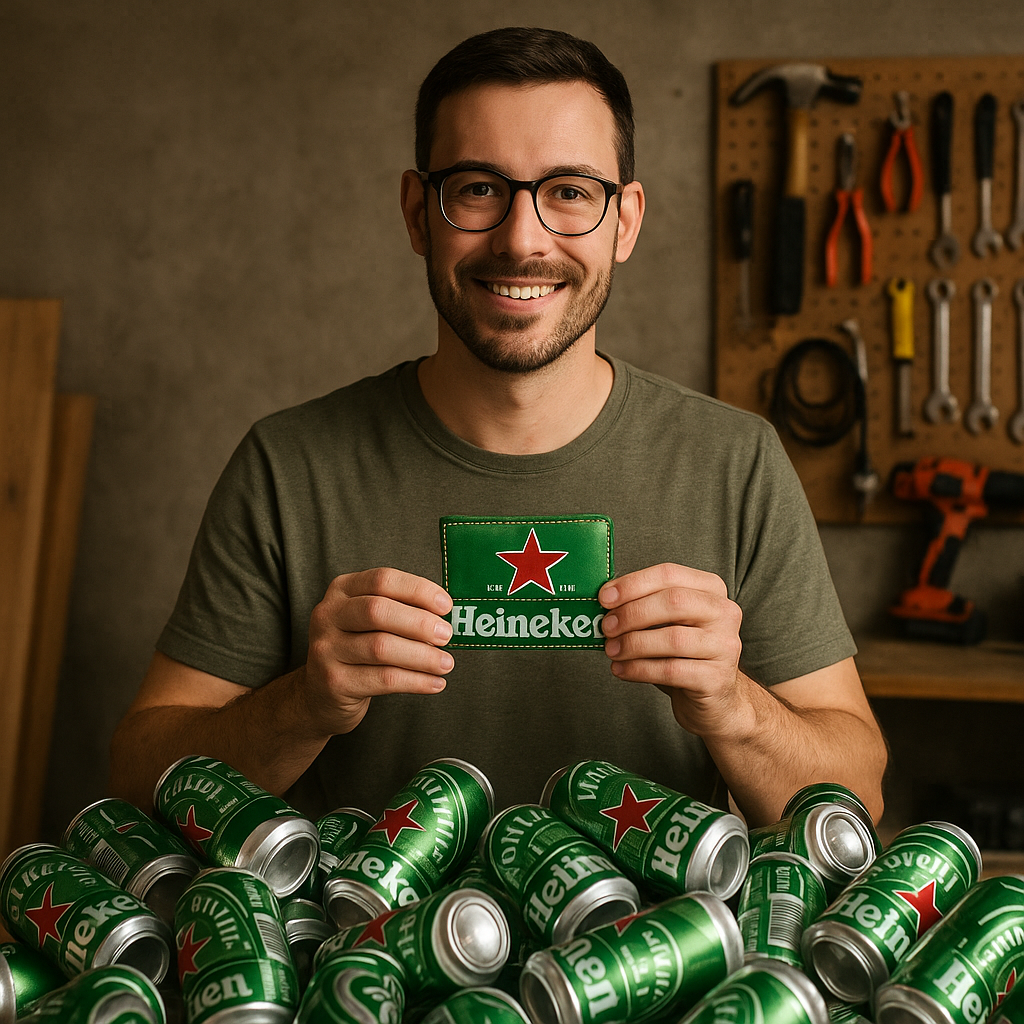
When I say I founded my dad’s subsidiary as a teenager, people often chuckle, unable to fathom how a teenager could launch a business. But the truth is, it all began with a simple pile of Heineken cans. The most extraordinary ideas often emerge from the most mundane observations, just like mine did. Through the unexpected lens of recycling, I discovered not just a business venture but also my place and purpose within my family’s entrepreneurship. In this article, I will take you through the journey of transforming waste into value, share insights on upcycling, and reveal how a simple school project turned into a successful side venture managing part of the supply chain for what has now become a sustainable initiative. By the end of this article, readers will not only understand the importance of recycling and upcycling but will also glean practical insight into launching similar ventures.
My father owned a trendy bar named “The Calm Spot,” known for its innovative flair and a menu filled with international drinks, including heaps of Heineken. While his vision for the bar was grand and multifaceted, I found myself lost, navigating the identity of the “science kid” in a bustling environment filled with nightlife and entrepreneurship. It wasn't until Project Week in school that I discovered how I could merge my interests in science and my father’s business acumen. My assignment was simple: come up with a fundable business idea that revolved around recycling. The stakes were low; we had little to no funding, and the challenge was to make practical use out of waste.
The first step on this path of discovery began one afternoon at “The Calm Spot.” I was immersed in brainstorming with my small team when I witnessed the bar’s cleaner empty a colossal bag of Heineken cans into the bin. This sight was common; they were part of everyday operations, especially since Heineken was among the most popular choices among the patrons. But that day, something clicked. As I surveyed the discarded cans piling up, I remembered how I had come across online articles discussing the creative reuse of materials in art projects. My scientific background equipped me with the research skills I needed, and quickly, I began to envision new possibilities.
Inspired, I launched into research on how to repurpose these cans. I explored the art of upcycling—transforming waste into functional and aesthetic products. Ideas flowed: decorative wall arts, candle holders, keychains, and even small furniture pieces. The most exciting aspect of this venture was its economic viability. The raw materials—those discarded Heineken cans—were no-cost resources. Thus, my first entrepreneurial challenge was met with creativity and frugality, perfectly aligning with the project’s requirements and the sustainability theme.
Meanwhile, I drafted a business plan. First, I needed to detail the collection process. Working alongside my father at the bar, I outlined how I could gather and prepare the used cans for transformation. Next came the design phase, where I sketched out various prototypes and planned how to market these unique products. Finally, projections for sales and profit margins were estimated based on a modest, yet optimistic outlook. I presented my proposal to my dad, who was impressed—not only by my initiative but also by the concept of turning waste into marketable products. He agreed to support my venture, and thus, my journey into entrepreneurship officially began.
Now, let's break down how you can embark on a similar journey of upcycling. Whether you are a student looking for a school project, an aspiring entrepreneur, or someone passionate about sustainability, here’s a step-by-step process to kickstart your own upcycling initiative.
First, identify a waste material to work with. As with my case, it can be anything from cans, plastic bottles, wood scraps, or fabric remnants. The first step is simple: look around you. What discards do you have at home or in your community? Once you identify the waste, brainstorm viable solutions or creative projects you could implement.
Second, perform thorough research on upcycling techniques relevant to your material. Online resources abound—tutorials, crafting blogs, and instructional videos can provide inspiration. Furthermore, local maker spaces or community workshops may offer classes that cover upcycling materials.
Third, create a plan. This includes sketching out designs, planning how to gather and prepare the materials, budgeting for any additional supplies you may need, and mapping out any necessary workspace. Prioritizing organization at this stage will streamline your project later.
Fourth, get to work! Remain flexible as you encounter challenges. Upcycling can be a trial-and-error process, with unexpected results leading you to new innovations or ideas.
Finally, market your products. Utilize social media, community markets, or online selling platforms to showcase what you’ve made. Honestly assess the marketplace for pricing and consumer interests to ensure your offerings meet the needs of your potential audience.
While these steps provide a structural reference for upcycling, the key lies in your passion and creativity. Engaging in upcycling is not only a productive use of waste but also a meaningful way to contribute to environmental sustainability while satisfying your own entrepreneurial aspirations.
So how can you effectively implement upcycling? Here are some actionable tips:
1. Find a niche: Instead of trying to upcycle everything, focus on a specific category, such as home décor, fashion, or gifts. Becoming known for a particular product can help build your brand.
2. Take high-quality pictures: Visuals play a crucial role in marketing. Clear, well-lit images will attract customers when showcasing your upcycled products online.
3. Tell your story: Share the story behind each item—how it was made and the materials used. Customers appreciate knowing the history behind what they purchase.
4. Collaborate with local businesses: Partnering with local shops can help drive visibility for your products and facilitate sales.
5. Stay committed: The journey of turning waste into value may have its setbacks. Maintaining motivation is essential; set smaller goals to keep your spirits high.
In conclusion, the journey from a modest pile of Heineken cans to founding a subsidiary was one marked by creativity, perseverance, and an unexpected connection to my family’s business. Upcycling not only allowed me to harness my skills and passions but also transformed a school project into a real, sustainable venture. The importance of recycling and sustainability cannot be understated in today’s world where waste and environmental concerns are escalating. I encourage you to look around, find waste, and see potential where others see trash. What will your upcycling journey look like?
For further reading on upcycling and sustainability, consider exploring “Upcycle: Beyond Sustainability—Designing for Unused Materials” by William McDonough and Michael Braungart or engaging with platforms like Inhabitat, which focuses on green design and innovations. You might also follow Instagram accounts dedicated to upcycling to glean inspiration from other passionate creators.