The Hidden Complexity Behind Event Planning
Planning an event sounds exciting on paper—until the logistics begin to pile up. What starts as a simple idea quickly turns into a juggling act of timelines, vendors, guest lists, budgets, and communication. In today’s digital world, organizers often rely on a mix of tools to keep everything running smoothly. But instead of simplifying the process, using multiple platforms can sometimes create confusion, inefficiencies, and unexpected challenges that make event planning more stressful than it needs to be.
When Tools Don’t Talk to Each Other
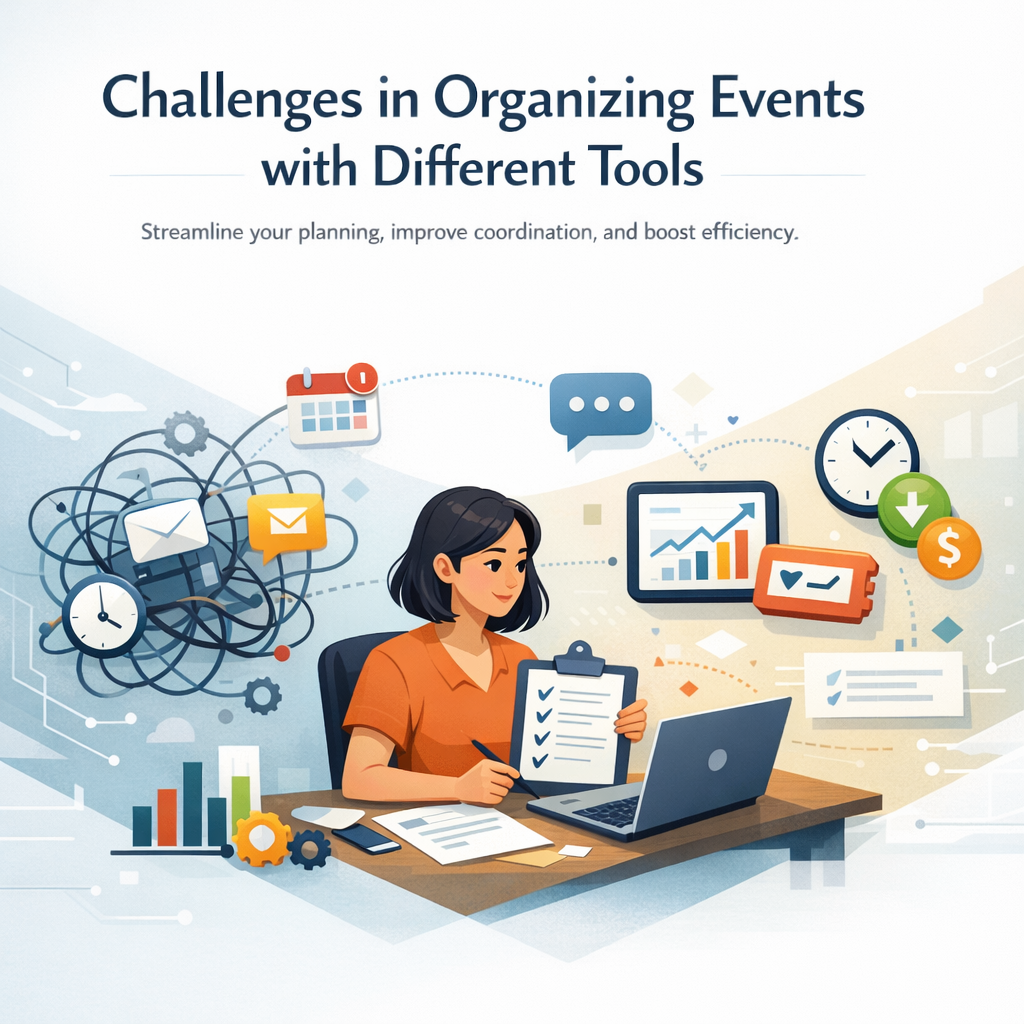
One of the most common issues is fragmentation. Event organizers frequently use different tools for ticketing, email communication, scheduling, budgeting, and team collaboration. While each tool may perform its specific function well, they don’t always integrate seamlessly with one another. This can lead to duplicated data, inconsistent updates, and the need to manually transfer information between platforms. For example, updating a guest list in one system but forgetting to reflect that change in another can result in miscommunication or even overbooking.
Data security and privacy concerns further complicate the landscape. Using multiple platforms means sensitive information—such as attendee details and payment data—is spread across different systems. Each tool has its own security protocols, and not all of them may meet the same standards. This increases the risk of data breaches or compliance issues, particularly for events that handle large volumes of personal information.
Team Coordination and Learning Challenges
Another challenge lies in team coordination. When multiple tools are involved, team members may struggle to stay aligned. One person might rely on email threads, another on a project management app, and someone else on a messaging platform. Without a centralized system, important updates can get lost, tasks may be overlooked, and accountability becomes harder to track. This is especially problematic for larger events where multiple stakeholders, such as vendors, sponsors, and volunteers, need to stay informed and coordinated.
Learning curves also play a significant role in complicating event organization. Each tool comes with its own interface, features, and quirks. For teams that aren’t tech-savvy, this can slow down productivity and increase the risk of errors. Even experienced users may find it challenging to switch between platforms, remember where certain information is stored, or troubleshoot issues across different systems. The time spent learning and managing tools can take away from more strategic aspects of event planning, such as improving attendee experience.
The Cost of Overcomplication
Cost management is another factor that often gets overlooked. While many tools offer free versions, advanced features typically come at a price. When multiple tools are used together, subscription costs can add up quickly. Event organizers may find themselves paying for overlapping functionalities without fully utilizing them. This not only affects the budget but also raises questions about efficiency and return on investment.
Strategies for a More Streamlined Approach
Despite these challenges, there are practical ways to streamline the process and reduce complexity. Choosing tools that integrate well with each other can significantly improve workflow. Integration allows different systems to share data automatically, minimizing manual input and reducing errors. For instance, connecting a registration platform with an email marketing tool ensures that attendee information is always up to date.
Centralizing communication is another effective strategy. Encouraging the entire team to use a single platform for updates and discussions can improve clarity and accountability. This doesn’t necessarily mean abandoning all other tools, but rather designating one as the primary hub for communication.
It’s also helpful to regularly audit the tools being used. This means evaluating whether each platform is truly necessary and whether its features justify the cost. Simplifying the tech stack—by reducing the number of tools—can make processes more efficient and easier to manage.
Providing basic training for team members can go a long way in reducing confusion and improving productivity. Even a short onboarding session or a shared guide can help everyone feel more confident using the tools, leading to smoother collaboration.
Ultimately, organizing events with multiple tools is a balancing act. While technology offers incredible capabilities, it can also introduce complexity if not managed carefully. By being intentional about tool selection, prioritizing integration, and fostering clear communication, event organizers can turn potential obstacles into opportunities for efficiency.
At its core, successful event planning isn’t about how many tools you use—it’s about how effectively you use them together. Taking the time to streamline your approach can make the entire process more manageable, allowing you to focus on what truly matters: creating memorable experiences for your audience.